
Research lines
Within these areas, we carry out our research.
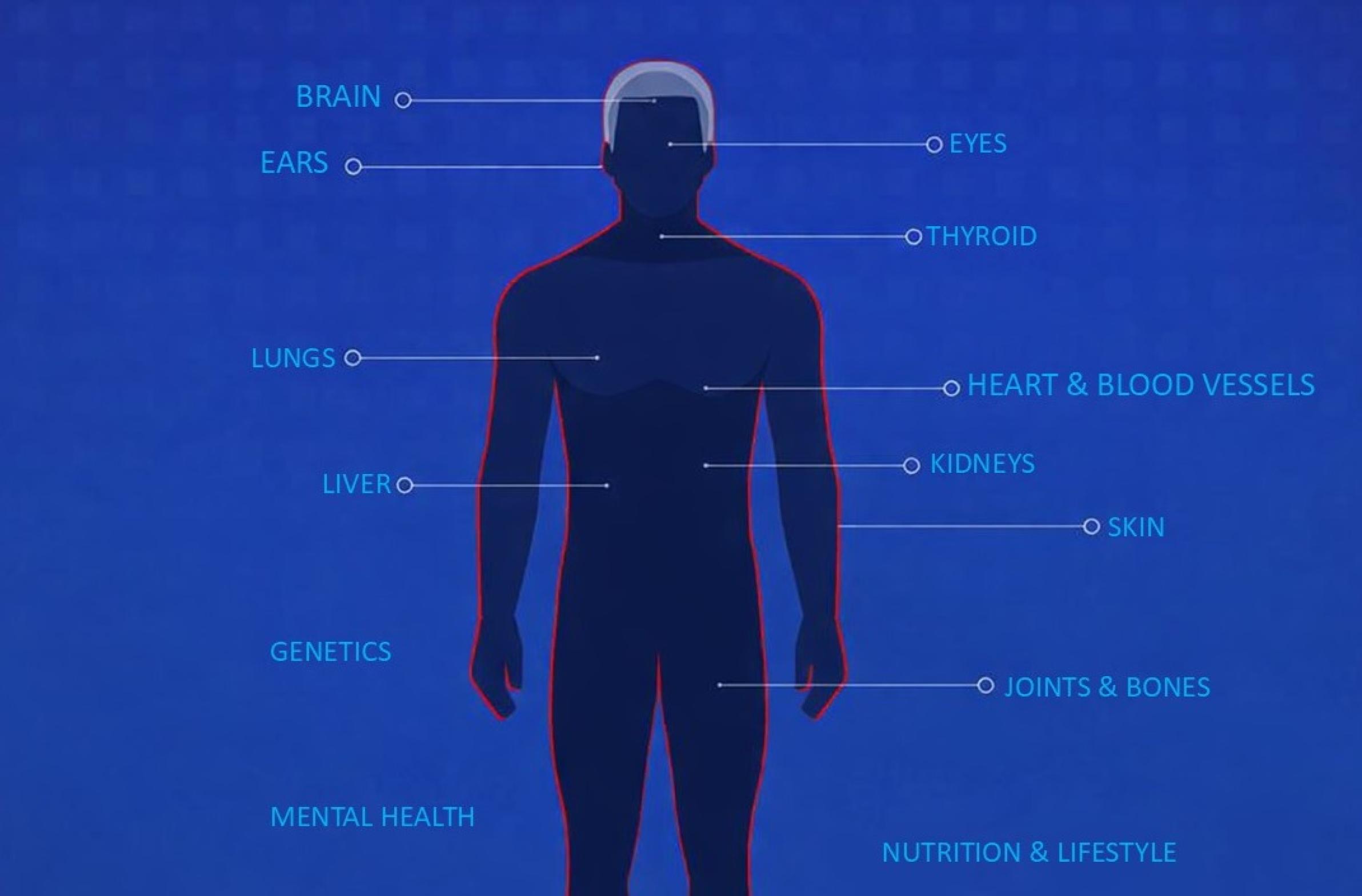
The Rotterdam Study consists of 14 lines of research, each focusing on a specific physiological system or function. These research lines investigate the role of their respective domains in the processes of aging and age-related diseases. Each line of research is led by a dedicated principal investigator responsible for overseeing its scientific direction and output.
Heart and blood vessels
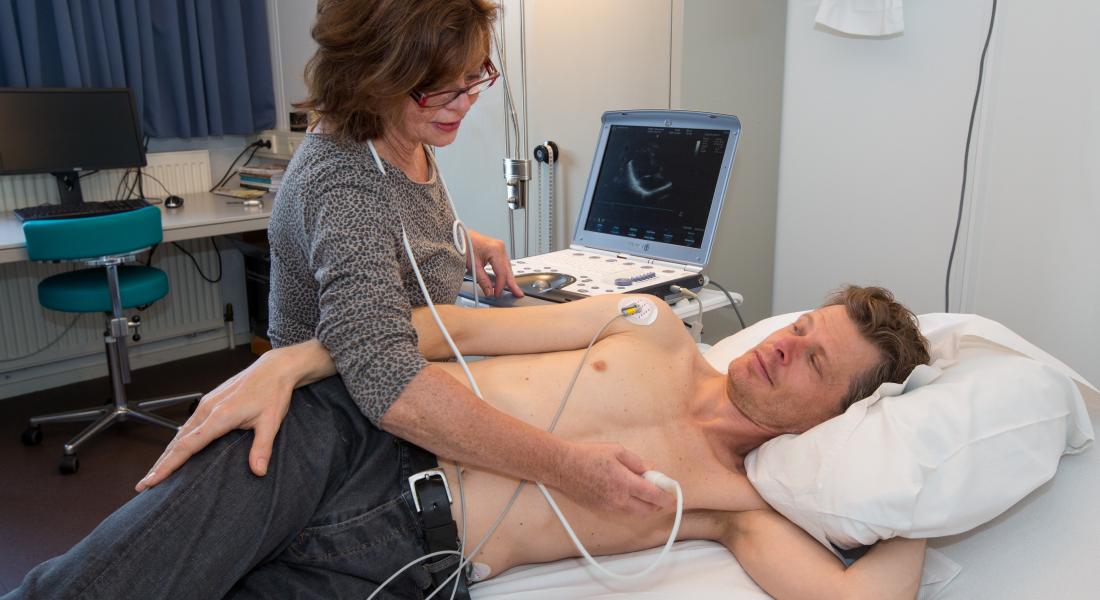
Cardiovascular disease presents a major global health concern. Within the Rotterdam Study, extensive research is conducted to identify risk factors associated with cardiovascular disease. This work integrates genetic data, biomarkers, and advanced imaging techniques including ultrasound, computed tomography (CT), and magnetic resonance imaging (MRI) to elucidate the underlying mechanisms, causes, and progression of cardiovascular disease. Particular attention is given to sex-specific differences in disease manifestation and outcomes. Ultimately, this research aims to enable personalized prevention and improve accuracy of the cardiovascular disease prediction across populations.
Principal Investigator

Brain
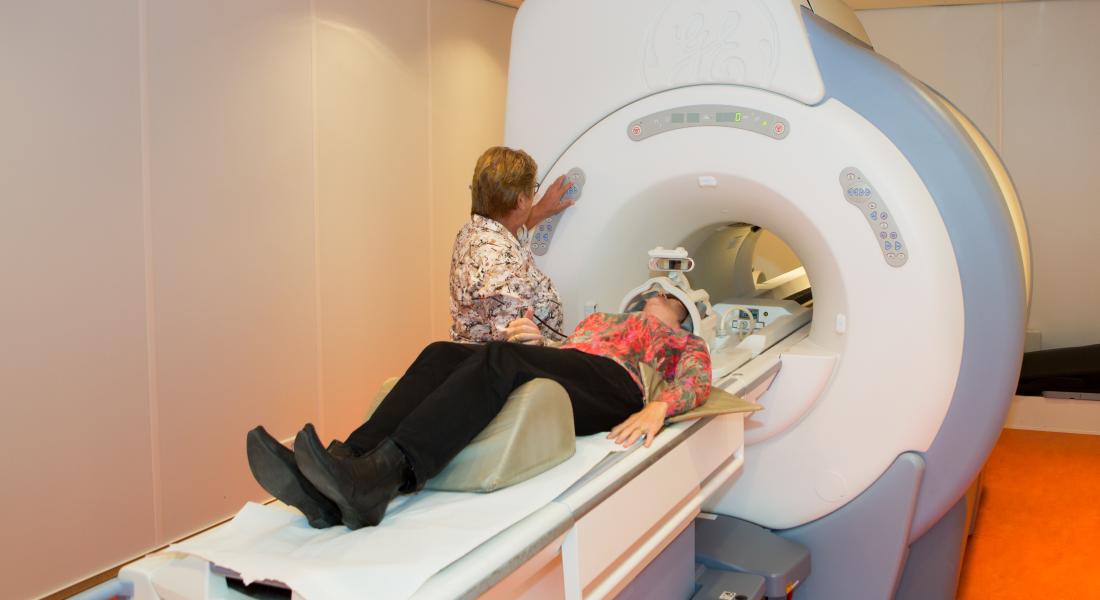
Dementia is a prevalent neurodegenerative condition associated with substantial personal and societal burden. It encompasses a range of disorders characterized by progressive impairments in memory and cognitive function, with Alzheimer’s disease being the most common subtype. Within the Rotterdam Study, research focuses on identifying the underlying causes and risk factors contributing to the development of dementia. Brain MRI is employed to detect early structural and functional changes, enabling differentiation between various forms of dementia. In addition, movement assessments are conducted to evaluate neurological and motor functions, providing further insights into brain health and cognitive performance.
Principal investigator
Nutrition and Lifestyle

The nutrition and lifestyle research line of the Rotterdam Study investigates in detail how lifestyle factors influence long-term health outcomes and the biological mechanisms underlying these associations. Lifestyle is assessed using multiple complementary methods, including questionnaires, blood biomarkers, body composition scan and actigraphy to monitor daily activity and sleep patterns. Given that nutrition, lifestyle, and body composition play critical roles in the development and progression of numerous chronic diseases, this research line maintains close collaborations with other research groups in the Rotterdam Study to enable comprehensive, interdisciplinary analyses.
Principal investigator
Liver
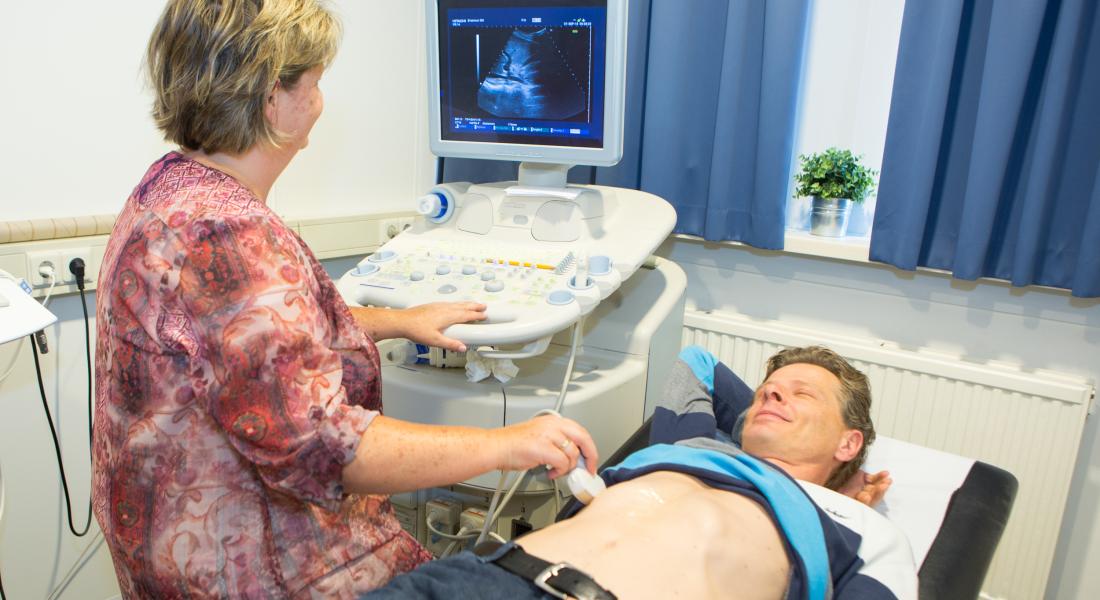
Within the liver disease research line of the Rotterdam Study, we primarily investigate the extent of connective tissue formation (fibrosis) and fat accumulation (steatosis) in the liver using ultrasound and Fibroscan technology. In addition, we examine related changes in other organs, including the kidneys and the aorta. A key objective of this research is to identify genetic and lifestyle factors that contribute to the development of liver diseases. By uncovering these underlying determinants, we aim to improve early detection and support the prevention of liver disease in the general population.
Principal Investigator
Ear, Nose and Throat

Hearing loss is a common condition that significantly affects well-being and daily functioning. Within the Rotterdam Study, research focuses on determining the prevalence of hearing loss and identifying the medical, genetic, and environmental factors that contribute to its development with aging. In addition to audiometric assessments, brain MRI and genetic data serve as key sources of information to better understand the mechanisms underlying hearing loss.
Principal Investigator
Eyes
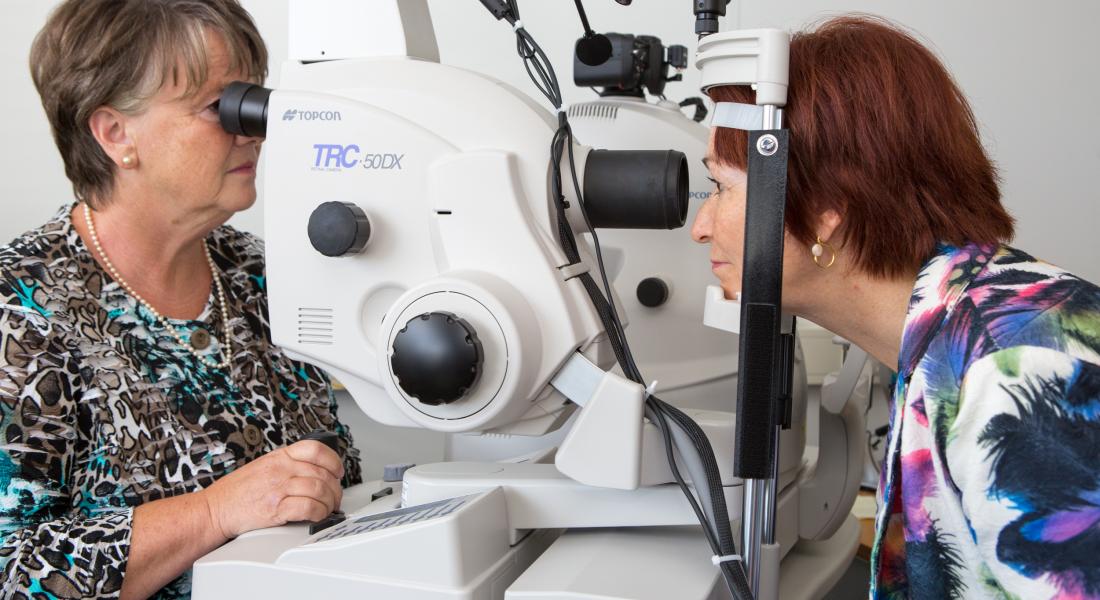
Visual function commonly declines with age, leading to increased risk of visual impairment and blindness. This line of research focuses on the major causes of vision loss, including age-related macular degeneration and glaucoma, as well as emerging contributors such as myopia (nearsightedness), which is expected to become a leading cause of visual impairment in the future. In addition, we investigate the etiology of keratoconus, a corneal disorder. The research protocol includes detailed ocular imaging, intraocular pressure, and visual acuity assessments. Through these investigations, we aim to identify the causes and progression of eye disease to inform the development of improved strategies for early detection, prevention, and treatment.
Principal Investigator
Lungs
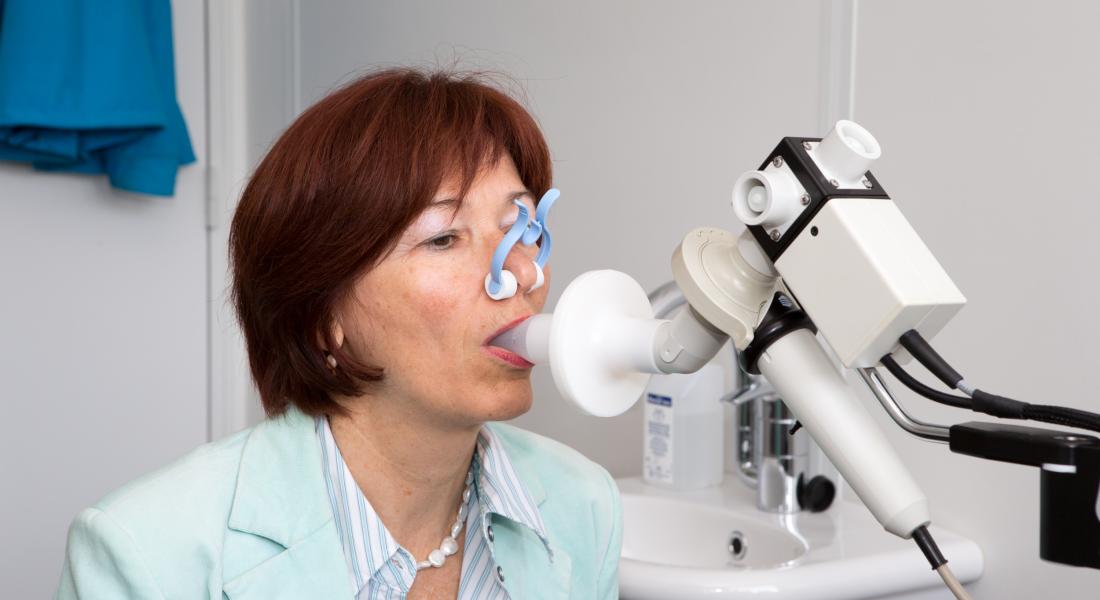
Coughing and shortness of breath are common respiratory complaints that increase with age and can arise from a variety of conditions. Chronic cough can be disruptive for patients and their social environment, significantly affecting quality of life. Lung function tests are used to detect chronic respiratory diseases such as asthma and chronic obstructive pulmonary disease (COPD). While asthma can develop at any age, its underlying mechanisms differ between childhood-onset asthma (often associated with allergies) and adult-onset asthma (which may be triggered by factors such as air pollution). COPD is characterized by chronic airway narrowing and, in some cases, loss of alveoli (emphysema), and it frequently co-occures with other conditions, including cardiovascular diseases. To better understand respiratory health in aging, the Rotterdam Study investigates lung function and respiratory disorders in close collaboration with other research lines, integrating insights across multiple domains in health.
Principal investigator
Mental Health

Psychological complaints, including depression, anxiety, and sleep disturbances have significant implications for overall health. The Rotterdam Study investigates the incidence, determinants, and trajectories of these conditions, as well as related phenomena such as grief, chronic stress and susceptibility to addiction. This line of research focuses on the interplay between psychological and physical health, examining how psychological factors contribute to the onset and progression of physical disorders, as well as the combined effects of psychological and physical conditions. Importantly, these relationships are bidirectional: while physical health problems can contribute to psychological complaints, psychological conditions can likewise influence physical health outcomes.
Principal investigator
Imaging
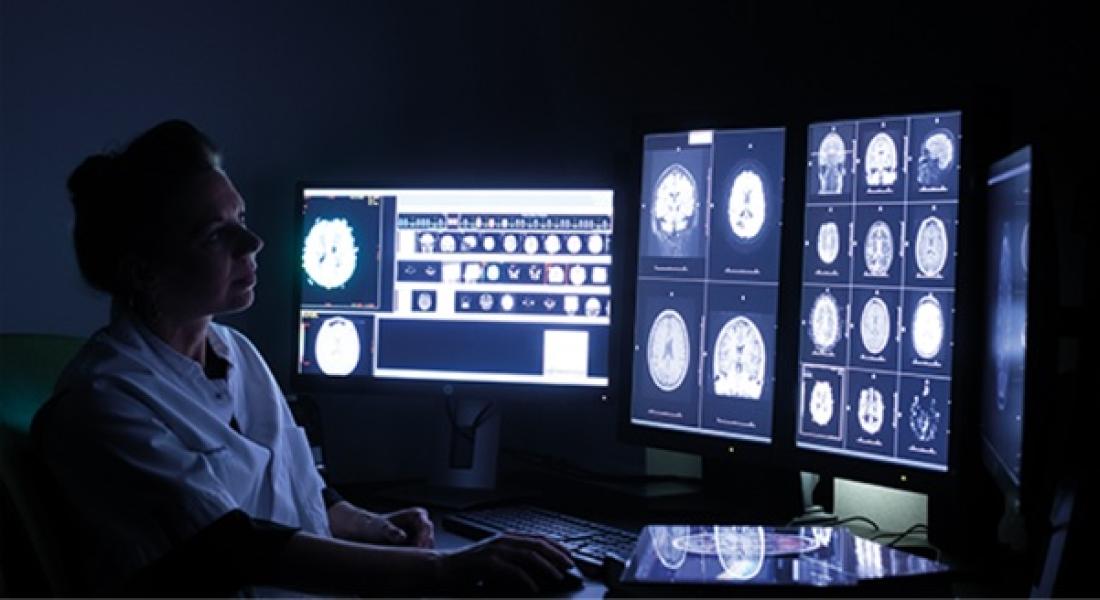
Population Imaging involves the application of radiological imaging techniques in large-scale population studies. The focus is on extracting quantitative information from imaging modalities – such as CT and MRI scans – to gain insights into normal physiological processes, disease development, and individual risk prediction. Within the Rotterdam Study, participants underwent MRI and PET imaging of the brain, as well as MRI and CT imaging of the carotid arteries. By systematically collecting and analyzing detailed quantitative imaging data, this research line aims to advance understanding of the mechanisms underlying disease onset and progression in order to improve strategies for early detection and risk stratification.
Principal Investigator
Skin

Skin disorders are common and can have a significant impact on quality of life. Within the Rotterdam Study, participants undergo comprehensive dermatological examinations, with a focus on conditions such as psoriasis, eczema, and skin cancer. Combined with genetic data, these assessments provide insights into the underlying causes and risk factors of skin conditions, as well as their association with systemic diseases, including diabetes and cardiovascular disease.
Principal Investigator
Medication

Pharmacological interventions are a central component of modern healthcare. The extensive data collected within the Rotterdam Study enables comprehensive investigation of all aspects of medication use, including effectiveness, adverse effects, and real-world usage patterns. This research provides a unique opportunity to study how medication is prescribed and utilized in routine clinical practice. Pharmacoepidemiology within this framework is a key avenue toward optimizing patient-tailored therapies and advancing precision medicine.
Principal investigator
Hormones, kidneys and infections
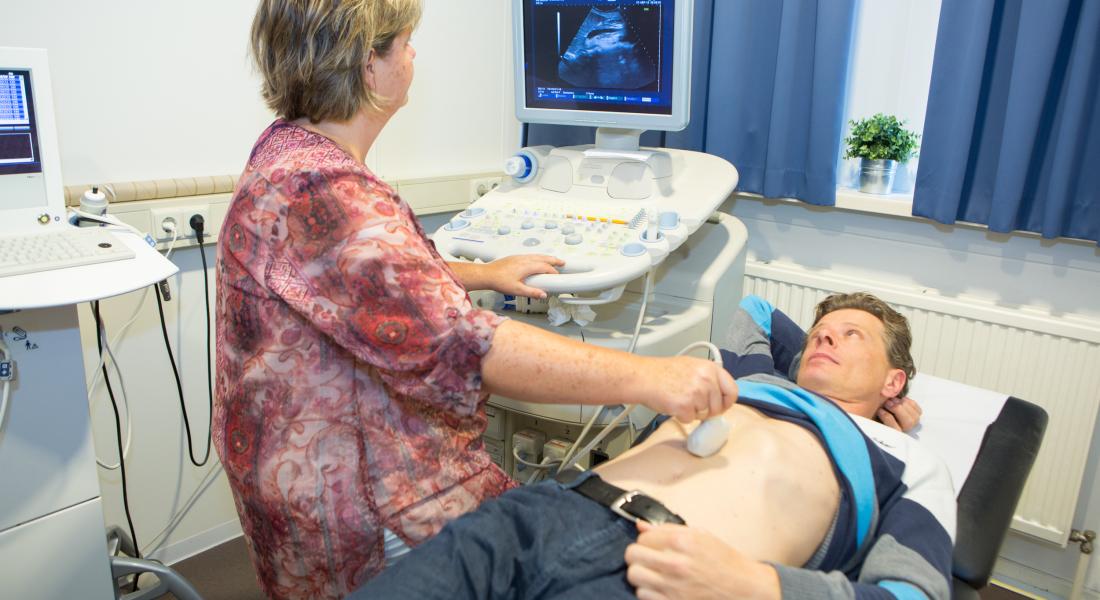
Internal medicine encompasses the prevention, diagnosis, and treatment of diseases affecting the internal organs, the musculoskeletal system, endocrine disorders, and infections. Within the Rotterdam Study, research focuses on identifying the primary risk factors for these conditions and exploring strategies for their prevention. In collaboration with other research lines, this work also examines how hormonal imbalances and immune system dysfunction contribute to the development of comorbid conditions, including cardiovascular disease and dementia.
Principal Investigator
Joints and bones
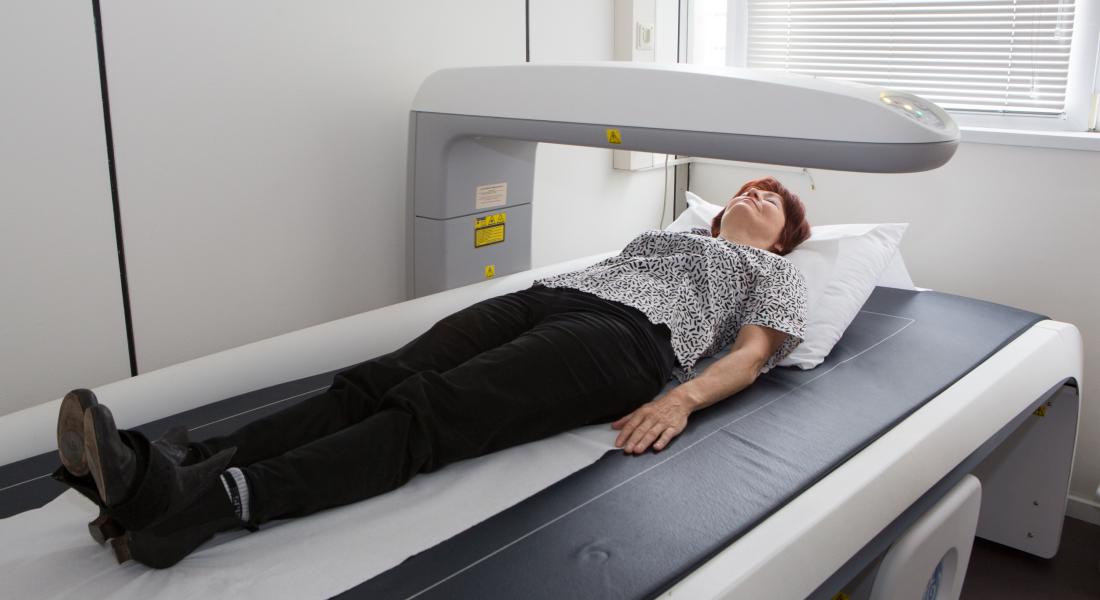
From the very beginning of the Rotterdam Study, the bones and joints of participants, which together with muscles comprise the musculoskeletal system, have been systematically examined. Major public health concerns related to this system include osteoporosis, characterized by decreased bone density, and osteoarthritis, characterized by joint degeneration. These conditions often lead to fractures, pain, and functional limitations, representing a significant global health burden. Within the study, musculoskeletal health is assessed using imaging techniques such as X-ray and DXA scans, enabling detailed evaluation of bone density, joint integrity, and associated risk factors.
Principal Investigator
Genetics and genomics

Many diseases investigated in the Rotterdam Study have a genetic basis and are influenced by hereditary factors. Data from the study have shown that disease susceptibility is typically polygenic, involving multiple—often hundreds of—genetic variants. These variants contribute to disease development through complex molecular and cellular processes. The study of these factors and processes falls within the field of genomics, which often begins with DNA extracted from a blood sample provided by participants.
Genomic techniques are also applied in microbiome research, which investigates how microbial communities influence the onset and progression of age‑related diseases. This research typically involves collecting stool samples from participants, though samples from the skin or other sites may also be collected. By identifying genes that increase disease risk, the Rotterdam Study enables estimation of individual disease susceptibility, providing opportunities for early intervention and the development of novel therapeutic strategies.
Principal Investigator